BHU, MNIT and MMMUT: Which Institution Is Which?
Distinguish three institutions connected with the Malaviya name and identify older college names in records.
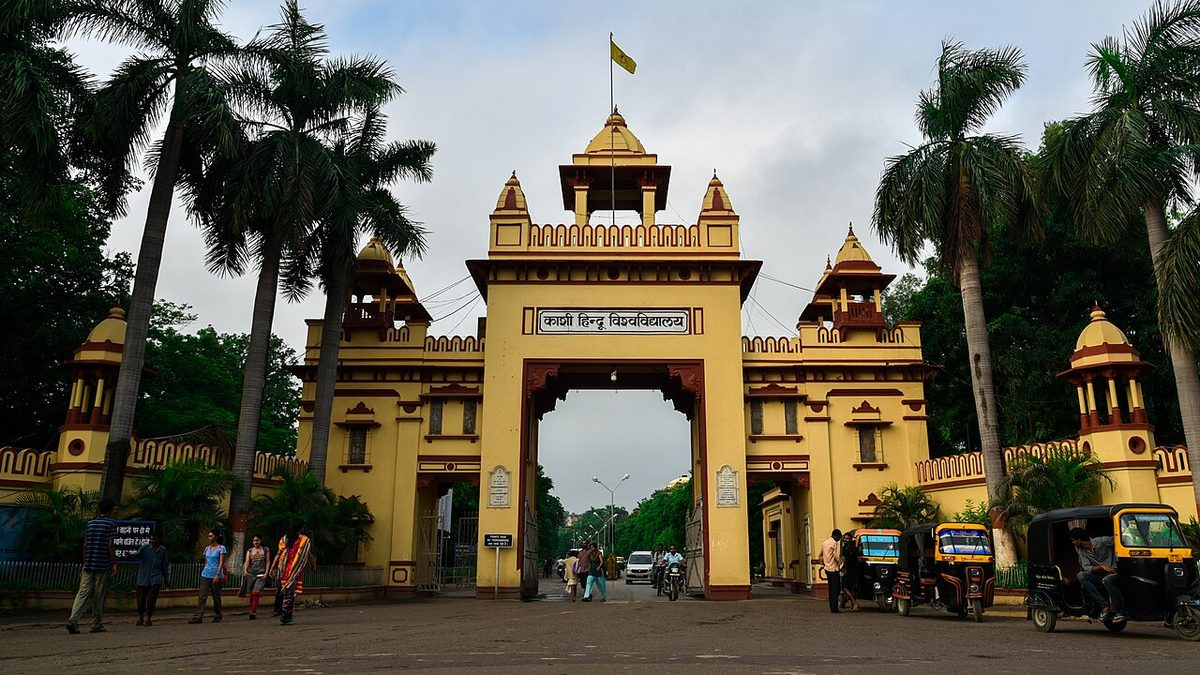
Three names, three separate institutions
A search for “Malaviya university” can refer to different places. Start with the full institutional name and city before using a result for research, an alumni enquiry or a campus visit. BHU, MNIT Jaipur and MMMUT Gorakhpur are separate institutions with separate histories and official websites.
| Institution | City | Name in older records |
|---|---|---|
| Banaras Hindu University (BHU) | Varanasi | Use the spelling in the original university document |
| Malaviya National Institute of Technology (MNIT) | Jaipur | Malaviya Regional Engineering College (MREC) |
| Madan Mohan Malaviya University of Technology (MMMUT) | Gorakhpur | Madan Mohan Malaviya Engineering College |
The institution-specific sources below establish the historical names. None of these names establishes a student’s surname, ancestry or membership of an association.
“मालवीय विश्वविद्यालय” की खोज अलग जगहों तक पहुंचा सकती है। शोध, पूर्व छात्र संबंधी पूछताछ या यात्रा के लिए पूरा नाम और शहर पहले जांचें। बीएचयू, एमएनआईटी जयपुर और एमएमएमयूटी गोरखपुर अलग संस्थान हैं, जिनका इतिहास और आधिकारिक वेबसाइट अलग है।
- बनारस हिंदू विश्वविद्यालय (BHU): वाराणसी। मूल विश्वविद्यालय दस्तावेज़ की वर्तनी रखें।
- मालवीय राष्ट्रीय प्रौद्योगिकी संस्थान (MNIT): जयपुर। पुराना नाम मालवीय क्षेत्रीय इंजीनियरिंग कॉलेज (MREC)।
- मदन मोहन मालवीय प्रौद्योगिकी विश्वविद्यालय (MMMUT): गोरखपुर। पुराना नाम मदन मोहन मालवीय इंजीनियरिंग कॉलेज।
नीचे संस्थाओं के स्रोत पुराने नाम स्थापित करते हैं। किसी संस्था का नाम छात्र का उपनाम, वंश या संगठन की सदस्यता नहीं बताता।
BHU: the university Malaviya founded
Banaras Hindu University is in Varanasi and dates its foundation to 1916. Its official account credits Madan Mohan Malaviya and cooperation with figures including Annie Besant. This is the institution to start with when researching his university-building work.
For a family document mentioning BHU, note the faculty or college, course, year and exact name of the person. A broad university history will not verify an individual’s attendance. Use the relevant official department or records contact for that enquiry. See the Mahamana guide for reading about the founder.
वाराणसी का बनारस हिंदू विश्वविद्यालय स्थापना वर्ष 1916 बताता है। आधिकारिक विवरण में मदन मोहन मालवीय और एनी बेसेंट जैसे सहयोगियों का उल्लेख है। उनके विश्वविद्यालय निर्माण के अध्ययन की शुरुआत यहां से करें।
पारिवारिक दस्तावेज़ में बीएचयू हो तो संकाय या कॉलेज, पाठ्यक्रम, वर्ष और व्यक्ति का ठीक नाम लिखें। विश्वविद्यालय का सामान्य इतिहास किसी व्यक्ति की पढ़ाई की पुष्टि नहीं करता। उस प्रश्न के लिए संबंधित विभाग या रिकॉर्ड संपर्क देखें। संस्थापक पर महामना मार्गदर्शिका पढ़ें।
MNIT Jaipur: recognise MREC in an older record
MNIT’s official history records its establishment as Malaviya Regional Engineering College in 1963 and its change to NIT status in 2002. An older certificate using MREC may therefore refer to the predecessor name of today’s MNIT Jaipur.
Keep the historical name when transcribing the certificate. Add “now MNIT Jaipur” as an explanatory note, rather than rewriting the qualification. If the city or date does not fit, investigate further before assuming a match. The Rajasthan guide explains how a named institution can help date a family record.
एमएनआईटी का आधिकारिक इतिहास 1963 में मालवीय क्षेत्रीय इंजीनियरिंग कॉलेज की स्थापना और 2002 में एनआईटी दर्जे का उल्लेख करता है। इसलिए एमआरईसी लिखा पुराना प्रमाणपत्र आज के एमएनआईटी जयपुर के पुराने नाम का हो सकता है।
प्रमाणपत्र का लिप्यंतरण करते समय ऐतिहासिक नाम रखें। योग्यता को बदलकर लिखने के बजाय अलग टिप्पणी में “अब एमएनआईटी जयपुर” जोड़ें। शहर या तारीख न मिले तो पहचान मान लेने से पहले जांचें। राजस्थान मार्गदर्शिका में संस्था के नाम से पारिवारिक अभिलेख का समय समझने का उदाहरण है।
MMMUT Gorakhpur: college and university dates
MMMUT’s official account describes a university established in 2013 by reconstituting the Madan Mohan Malaviya Engineering College, which began in 1962. Both dates can be correct because they describe different stages of the institution.
When writing an alumni profile, identify which stage belongs to the period in the record. Do not describe a person’s 1980s college experience as attendance at a university under a name introduced later without explaining the change. Likewise, the founding date does not identify the date of a particular department or course.
एमएमएमयूटी का आधिकारिक विवरण 2013 में विश्वविद्यालय बनने और 1962 में शुरू हुए मदन मोहन मालवीय इंजीनियरिंग कॉलेज के पुनर्गठन की जानकारी देता है। दोनों वर्ष सही हो सकते हैं क्योंकि वे संस्था के अलग चरण बताते हैं।
पूर्व छात्र का परिचय लिखते समय अभिलेख की अवधि वाला चरण पहचानें। 1980 के दशक के कॉलेज अनुभव को बाद में आए विश्वविद्यालय नाम से लिखें तो बदलाव समझाएं। संस्था की स्थापना तारीख किसी विशेष विभाग या पाठ्यक्रम की शुरुआत भी अपने आप नहीं बताती।
Worked example: why two founding dates can both be right
A search result showing 1963 for MNIT and another showing 2002 can look like a contradiction. Before choosing one, identify the event attached to each date. The same method explains MMMUT’s 1962 and 2013 dates. The following comparison uses the institutions’ published histories; it does not rely on a family anecdote.
| Institution | Year | Event described | Source |
|---|---|---|---|
| MREC Jaipur | 1963 | College established | MNIT history |
| MNIT Jaipur | 2002 | National Institute of Technology status | MNIT history |
| MNIT Jaipur | 2007 | Institute of National Importance recognition | MNIT history |
| Madan Mohan Malaviya Engineering College | 1962 | College established | MMMUT history |
| MMMUT Gorakhpur | 2013 | University established through reconstitution of the college | MMMUT history |
Our interpretation: these dates describe successive institutional milestones, so the dates alone are not inconsistent. The research question determines which one belongs in an answer. For the beginning of the Jaipur college, use 1963; for its NIT status, use 2002. A concise institutional history can include both and state what changed.
Apply it to an old record: if a document uses MREC, transcribe that exact name. Add the present name in a separate note. If it refers to a named student, the institutional history helps identify the institution, but the student’s attendance still needs its own record. A later name should not be used to rewrite what the earlier document says.
A source conflict that remains unresolved: if two documents give different dates for the same event, the table does not resolve that disagreement. Record both references, identify whether either is an original notice or later summary, and seek the underlying dated record. Do not average the dates or silently select the more convenient one.
Download the two-entry MNIT example (JSON) and open it in the Family Research Notebook. The sample contains public institutional facts, a source link, our interpretation and the remaining limitation. It contains no private or invented family history.
एमएनआईटी के लिए एक खोज में 1963 और दूसरी में 2002 देखकर विरोध लग सकता है। कोई एक चुनने से पहले देखें कि हर वर्ष किस घटना का है। एमएमएमयूटी के 1962 और 2013 पर भी यही विधि लागू होती है। यह तुलना संस्थाओं के प्रकाशित इतिहास पर आधारित है, पारिवारिक किस्से पर नहीं।
- एमआरईसी जयपुर, 1963: कॉलेज की स्थापना।
- एमएनआईटी जयपुर, 2002: राष्ट्रीय प्रौद्योगिकी संस्थान का दर्जा।
- एमएनआईटी जयपुर, 2007: राष्ट्रीय महत्व के संस्थान की मान्यता। इन तीनों का स्रोत एमएनआईटी का इतिहास है।
- मदन मोहन मालवीय इंजीनियरिंग कॉलेज, 1962: कॉलेज की स्थापना।
- एमएमएमयूटी गोरखपुर, 2013: कॉलेज के पुनर्गठन से विश्वविद्यालय की स्थापना। इन दोनों का स्रोत एमएमएमयूटी का इतिहास है।
हमारी व्याख्या: ये संस्था के अलग पड़ाव हैं, इसलिए केवल वर्ष अलग होने से विरोध नहीं होता। प्रश्न तय करता है कि उत्तर में कौन-सी तारीख चाहिए। जयपुर कॉलेज की शुरुआत के लिए 1963 और एनआईटी दर्जे के लिए 2002 लिखें। छोटे इतिहास में दोनों देकर बदलाव समझा सकते हैं।
पुराने रिकॉर्ड में प्रयोग: एमआरईसी लिखा हो तो वही नाम उतारें। वर्तमान नाम अलग टिप्पणी में जोड़ें। रिकॉर्ड किसी छात्र का हो तो संस्था का इतिहास संस्था की पहचान में मदद करता है; उस छात्र की पढ़ाई के लिए अलग प्रमाण चाहिए। बाद का नाम पुराने दस्तावेज़ के कथन को बदलने का आधार नहीं है।
जब मतभेद बाकी हो: एक ही घटना की अलग तारीखें देने वाले दस्तावेज़ हों तो यह तालिका विवाद नहीं सुलझाती। दोनों संदर्भ रखें, देखें कि मूल सूचना है या बाद का सारांश और आधार वाला तारीखयुक्त रिकॉर्ड खोजें। तारीखों का औसत न निकालें और सुविधाजनक तारीख चुपचाप न चुनें।
दो प्रविष्टियों का एमएनआईटी उदाहरण डाउनलोड करें (JSON) और पारिवारिक शोध नोटबुक में खोलें। उदाहरण में सार्वजनिक संस्थागत तथ्य, स्रोत, हमारी व्याख्या और सीमा है। इसमें निजी या गढ़ा हुआ पारिवारिक इतिहास नहीं है। फ़ाइल की प्रविष्टियां अंग्रेज़ी में हैं; अपने नोट हिंदी में भी लिख सकते हैं।
Make a useful records enquiry
Prepare the full name as recorded, course or department, approximate years and the question you want answered. Check the institution’s own website for its current contact and process. For admissions, use the current official prospectus; this historical guide does not state current fees, deadlines or eligibility.
For a visit, confirm access with the institution or venue. A campus photograph does not mean every building is open to visitors. For an old address containing “Malviya Nagar”, add the city and postcode; a locality name alone is not enough to distinguish different places. Record the official page and date you used so another reader can repeat your search.
अभिलेख वाला पूरा नाम, पाठ्यक्रम या विभाग, अनुमानित वर्ष और अपना स्पष्ट प्रश्न तैयार करें। वर्तमान संपर्क और प्रक्रिया संस्था की वेबसाइट पर देखें। प्रवेश के लिए वर्तमान आधिकारिक विवरणिका पढ़ें; यह ऐतिहासिक मार्गदर्शिका वर्तमान फीस, अंतिम तारीख या पात्रता नहीं बताती।
यात्रा से पहले संस्था या स्थल से प्रवेश की जानकारी लें। परिसर की तस्वीर का अर्थ यह नहीं कि हर भवन पर्यटकों के लिए खुला है। “मालवीय नगर” वाले पुराने पते में शहर और पिनकोड जोड़ें; केवल मोहल्ले का नाम पर्याप्त नहीं। इस्तेमाल का आधिकारिक पृष्ठ और तारीख रखें ताकि दूसरा पाठक खोज दोहरा सके।