What the Name Means

Malviya (also written Malaviya, and occasionally Malvia or Malavia) is a toponymic surname from central India. It literally means "those from Malwa": the name of the Malwa region plus a suffix that marks geographic belonging. So the story of the surname really begins with the region itself.

One Name, Several Spellings

The two main spellings are used interchangeably. The longer form Malaviya shows up more in older and independence-era records; Malviya is the more common modern rendering. Smaller variants like Malvia and Malavia are simply different ways of transliterating the Devanagari मालवीय.

The Land Behind the Name

Malwa is a plateau region of west-central India, a volcanic upland that forms an extension of the Deccan Traps and averages roughly 500 metres in elevation. It covers the districts of western Madhya Pradesh, including Indore, Ujjain, Dhar, and Mandsaur, and reaches into parts of south-eastern Rajasthan. Its traditional language, Malvi, belongs to the Rajasthani family, and its culture mixes Rajasthani, Gujarati, and Marathi influences. Our Culture & Traditions page covers that heritage in detail.

The region takes its name from the ancient Malava tribe. There is also a traditional Sanskrit etymology, more poetic gloss than settled derivation, which reads "Malava" as "part of the abode of Lakshmi," the goddess of wealth.

मालवीय उपनाम — जो Malaviya, Malviya और कभी-कभी Malvia रूपों में लिखा जाता है — मध्य भारत का एक स्थान-आधारित (टोपोनिमिक) नाम है। इसका शाब्दिक अर्थ है "मालवा के लोग" — मालवा क्षेत्र के नाम में भौगोलिक संबंध सूचक प्रत्यय जोड़कर बना। उपनाम को समझना उस क्षेत्र को समझना है जिसका नाम यह धारण करता है।

एक नाम, कई वर्तनियां

दो प्रमुख वर्तनियां परस्पर विनिमेय हैं: लंबा रूप Malaviya पुराने और स्वाधीनता-युग के अभिलेखों में अधिक मिलता है, जबकि Malviya आधुनिक समय का अधिक प्रचलित रूप है। Malvia और Malavia जैसे छोटे-मोटे रूपांतर देवनागरी (मालवीय) से लिप्यंतरण के अंतर दर्शाते हैं।

नाम के पीछे की धरती

मालवा पश्चिम-मध्य भारत का पठारी क्षेत्र है — दक्कन ट्रैप्स का विस्तार, ज्वालामुखीय उद्गम की ऊंची भूमि, जिसकी औसत ऊंचाई लगभग 500 मीटर है। इसमें पश्चिमी मध्य प्रदेश के जिले — इंदौर, उज्जैन, धार और मंदसौर सहित — आते हैं, और यह दक्षिण-पूर्वी राजस्थान के कुछ भागों तक फैला है। इसकी पारंपरिक क्षेत्रीय भाषा मालवी राजस्थानी परिवार की है, और इसकी संस्कृति में राजस्थानी, गुजराती और मराठी प्रभावों का संगम है — यह विरासत हमारे संस्कृति और परंपराएं पेज पर देखें।

क्षेत्र का नाम प्राचीन मालव जनजाति से पड़ा है। एक पारंपरिक संस्कृत व्युत्पत्ति — जो काव्यात्मक व्याख्या है, स्थापित भाषावैज्ञानिक निष्कर्ष नहीं — "मालव" का अर्थ "लक्ष्मी के निवास का अंश" करती है।

Before Malwa Was Malwa: Avanti

Ram Ghat on the Shipra river at Ujjain
Ram Ghat on the Shipra at Ujjain — ancient Ujjayini, capital of Avanti and site of the Simhastha Kumbh Photo: Bernard Gagnon, CC BY-SA 3.0, via Wikimedia Commons

A Great Realm of the Ancient World

Long before it took the Malava name, the region was known as Avanti, one of the sixteen mahajanapadas (great realms) listed in Buddhist texts of the sixth century BCE. The Vindhya hills split Avanti in two: a northern part with its capital at Ujjayini, the modern Ujjain, and a southern part centred at Mahishmati. By the Buddha's lifetime, Avanti under King Pradyota was counted among the four major powers of northern India and was strong enough to threaten the empire of Magadha. Chandragupta Maurya conquered and annexed it in the fourth century BCE.

Ujjain, City of Kings and Astronomers

In the second century CE, Ujjayini flourished as the capital of the western Shaka satrapy under Rudradaman I. Around 390 CE the Gupta emperor Chandragupta II, who bore the title Vikramaditya and is remembered as the patron of the poet Kalidasa, expelled the Shakas and held court in the city. Under the Guptas, Ujjain served as a western capital and drew scholars of astronomy and mathematics. Classical Indian astronomers ran their reference meridian through the city; it was, in effect, the subcontinent's Greenwich.

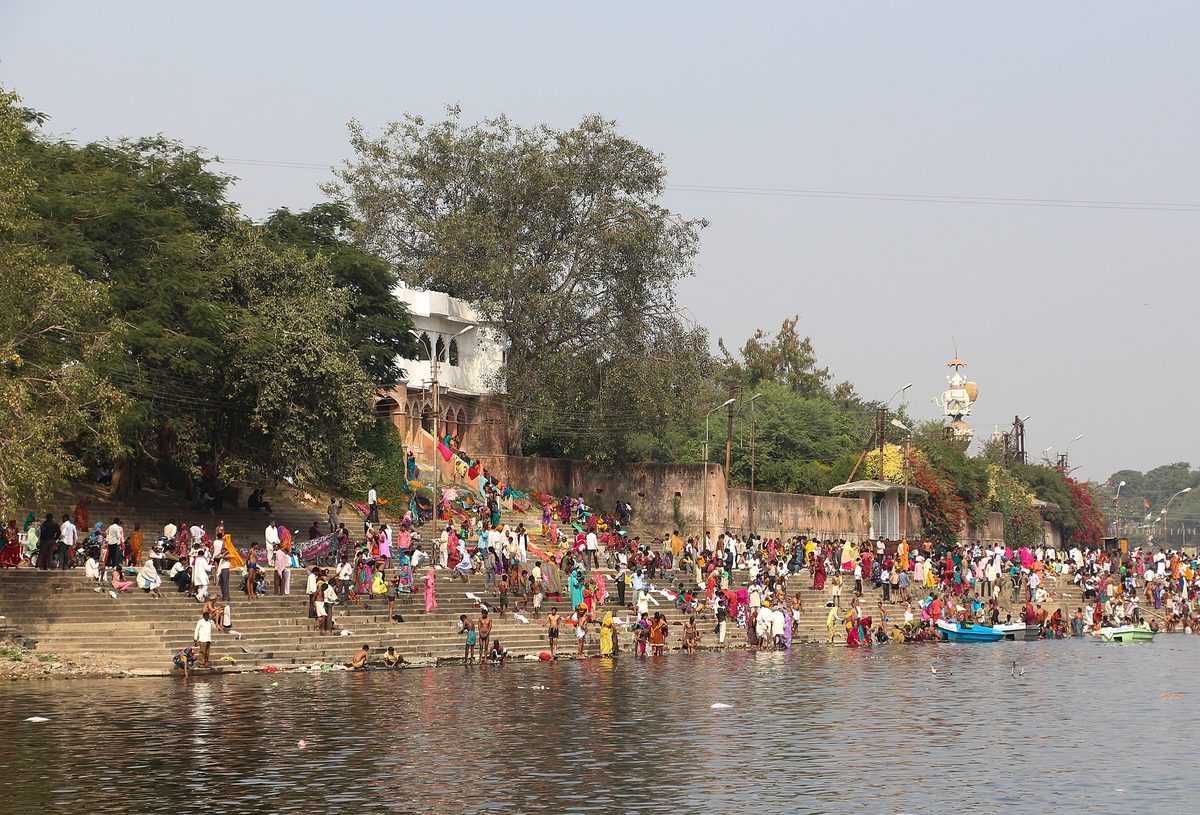
The city's sacred standing endures today in the Simhastha Kumbh Mela, the great bathing festival held on the banks of the Shipra River once every twelve years.

प्राचीन विश्व का एक महाजनपद

मालव नाम धारण करने से बहुत पहले यह क्षेत्र अवंति के नाम से जाना जाता था — छठी शताब्दी ईसा पूर्व के बौद्ध ग्रंथों में वर्णित सोलह महाजनपदों में से एक। विंध्य पर्वतमाला अवंति को दो भागों में बांटती थी: उत्तरी भाग, जिसकी राजधानी उज्जयिनी — आधुनिक उज्जैन — थी, और दक्षिणी भाग, जिसका केंद्र माहिष्मती था। बुद्ध के जीवनकाल तक राजा प्रद्योत के अधीन अवंति उत्तर भारत की चार प्रमुख शक्तियों में गिना जाता था, इतना सशक्त कि मगध साम्राज्य के लिए चुनौती बन सके। चौथी शताब्दी ईसा पूर्व में चंद्रगुप्त मौर्य ने इसे जीतकर अपने साम्राज्य में मिला लिया।

उज्जैन: राजाओं और खगोलविदों की नगरी

दूसरी शताब्दी ईस्वी में उज्जयिनी रुद्रदामन प्रथम के अधीन पश्चिमी शक क्षत्रपी की समृद्ध राजधानी थी। लगभग 390 ईस्वी में गुप्त सम्राट चंद्रगुप्त द्वितीय ने — जिन्होंने विक्रमादित्य की उपाधि धारण की और जो कवि कालिदास के आश्रयदाता के रूप में स्मरण किए जाते हैं — शकों को निष्कासित कर वहां अपना दरबार लगाया। गुप्तों के अधीन उज्जैन पश्चिमी राजधानी रहा और खगोलशास्त्र तथा गणित के विद्वानों को आकर्षित करता रहा; शास्त्रीय भारतीय खगोलविदों ने इस नगर को अपनी संदर्भ मध्याह्न रेखा बनाया — मानो उपमहाद्वीप का प्राचीन ग्रीनविच।

नगर की पावन प्रतिष्ठा आज भी सिंहस्थ कुंभ मेले में जीवित है — शिप्रा नदी के तट पर हर बारह वर्ष में लगने वाला महान स्नान पर्व।

The Malava Tribe

The People Who Fought Alexander

The Malavas were an ancient Indian people organised as a tribal confederation with republican features. Modern scholars generally identify them with the "Malloi" of the Greek accounts: the people who put up fierce resistance to Alexander's army in the Punjab in the fourth century BCE, north of the confluence of the Ravi and Chenab rivers.

By about 250 BCE the tribe had relocated to present-day Rajasthan, where they issued thousands of coins around their capital Malavanagara, identified with the Nagar Fort site near Uniara in the Jaipur–Tonk area. Their influence eventually extended into central India, and some time after the second century CE the plateau came to be called Malwa after them.

The calendar the Malavas left behind

The dating system that later became known as the Vikram Samvat is associated with the Malavas; it was earlier called the Krita era and then the Malava era. Its epoch falls in 57 BCE. Tradition attributes it to a legendary King Vikramaditya of Ujjain, said to have founded the era to mark a victory over the Shakas, but historians note that the name "Vikrama Samvat" is not attested before the ninth century CE. The legend, in other words, grew up around a calendar the Malava tribe had already carried for centuries. The Vikram Samvat remains in wide religious and cultural use across India today.

वे लोग जिन्होंने सिकंदर से युद्ध किया

मालव प्राचीन भारत के वे लोग थे जो गणतांत्रिक विशेषताओं वाले कबीलाई संघ के रूप में संगठित थे। आधुनिक विद्वान उन्हें सामान्यतः यूनानी विवरणों के "मल्लोई" से पहचानते हैं — वे लोग जिन्होंने चौथी शताब्दी ईसा पूर्व में पंजाब में, रावी और चिनाब नदियों के संगम के उत्तर में, सिकंदर की सेना का घोर प्रतिरोध किया।

लगभग 250 ईसा पूर्व तक यह जनजाति वर्तमान राजस्थान में जा बसी, जहां उन्होंने अपनी राजधानी मालवनगर — जिसकी पहचान जयपुर–टोंक क्षेत्र में उनियारा के पास नगर किले के स्थल से होती है — के आसपास हजारों सिक्के ढाले। उनका प्रभाव कालांतर में मध्य भारत तक फैला, और दूसरी शताब्दी ईस्वी के बाद किसी समय यह पठार उनके नाम पर मालवा कहलाने लगा।

मालवों की छोड़ी हुई काल-गणना

जो संवत बाद में विक्रम संवत के नाम से प्रसिद्ध हुआ, वह मालवों से जुड़ा है: पहले इसे कृत संवत और फिर मालव संवत कहा जाता था। इसका आरंभ 57 ईसा पूर्व से होता है, और परंपरा इसे उज्जैन के पौराणिक राजा विक्रमादित्य से जोड़ती है, जिन्होंने कथा के अनुसार शकों पर विजय की स्मृति में यह संवत चलाया। इतिहासकार बताते हैं कि "विक्रम संवत" नाम नौवीं शताब्दी ईस्वी से पहले कहीं प्रमाणित नहीं है — विक्रमादित्य की कथा उस पंचांग के इर्द-गिर्द बुनी गई किंवदंती है जिसे मालव जनजाति सदियों तक साथ लेकर चली। विक्रम संवत आज भी पूरे भारत में धार्मिक और सांस्कृतिक उपयोग में है।

Malwa Through the Ages

6th century BCE — Avanti

The region is one of the sixteen mahajanapadas of ancient India, with Ujjayini as its northern capital, powerful enough under King Pradyota to rival Magadha.

4th century BCE — The Malavas Resist Alexander

The Malava confederation, identified with the Malloi of Greek accounts, fights Alexander's army in the Punjab; Chandragupta Maurya annexes Avanti in the same century.

c. 250 BCE — Malavas in Rajasthan

The tribe settles around Malavanagara (Nagar Fort, near Uniara) and mints thousands of coins. It later gives its name to the Malwa plateau and to the era that became the Vikram Samvat.

c. 390 CE — The Guptas at Ujjain

Chandragupta II "Vikramaditya" expels the Shakas and holds court at Ujjayini; the city becomes a centre of astronomy and the reference meridian of classical Indian science.

972–1305 — The Paramara Age

Siyaka establishes Paramara sovereignty with Dhara (Dhar) as capital; Raja Bhoja (c. 1010–1055) presides over a golden age of learning. Paramara rule ends when Alauddin Khalji's forces defeat Mahalakadeva in 1305.

1401–1562 — The Malwa Sultanate

Dilawar Khan founds an independent kingdom; Hoshang Shah builds Mandu into a splendid capital; Baz Bahadur and Rani Roopmati's story closes the era before Akbar's conquest makes Malwa a Mughal subah.

18th century–1818 — Marathas and the British

The Marathas dominate Malwa through the eighteenth century until British victory in 1818 brings the region under the Raj.

छठी शताब्दी ई.पू. — अवंति

यह क्षेत्र प्राचीन भारत के सोलह महाजनपदों में से एक है; उज्जयिनी इसकी उत्तरी राजधानी है, और राजा प्रद्योत के अधीन यह मगध की बराबरी करने योग्य शक्तिशाली है।

चौथी शताब्दी ई.पू. — मालवों का सिकंदर से प्रतिरोध

यूनानी विवरणों के मल्लोई से पहचाना जाने वाला मालव संघ पंजाब में सिकंदर की सेना से लड़ता है; इसी शताब्दी में चंद्रगुप्त मौर्य अवंति को अपने साम्राज्य में मिला लेते हैं।

लगभग 250 ई.पू. — राजस्थान में मालव

जनजाति मालवनगर (नगर किला, उनियारा के पास) के आसपास बसती है और हजारों सिक्के ढालती है — और आगे चलकर मालवा पठार तथा उस संवत को अपना नाम देती है जो विक्रम संवत बना।

लगभग 390 ई. — उज्जैन में गुप्त

चंद्रगुप्त द्वितीय "विक्रमादित्य" शकों को निष्कासित कर उज्जयिनी में दरबार लगाते हैं; नगर खगोलशास्त्र का केंद्र और शास्त्रीय भारतीय विज्ञान की संदर्भ मध्याह्न रेखा बनता है।

972–1305 — परमार युग

सीयक धारा (धार) को राजधानी बनाकर परमार संप्रभुता स्थापित करते हैं; राजा भोज (लगभग 1010–1055) विद्या के स्वर्ण युग की अध्यक्षता करते हैं। 1305 में अलाउद्दीन खिलजी की सेनाओं द्वारा महलकदेव की पराजय के साथ परमार शासन समाप्त होता है।

1401–1562 — मालवा सल्तनत

दिलावर खान स्वतंत्र राज्य की स्थापना करता है; होशंग शाह मांडू को वैभवशाली राजधानी बनाता है; बाज बहादुर और रानी रूपमती की कथा के साथ यह युग समाप्त होता है, और अकबर की विजय मालवा को मुग़ल सूबा बना देती है।

18वीं शताब्दी–1818 — मराठा और अंग्रेज़

अठारहवीं शताब्दी भर मराठे मालवा पर प्रभुत्व रखते हैं, जब तक 1818 में अंग्रेज़ों की विजय इस क्षेत्र को ब्रिटिश राज के अधीन नहीं ले आती।

Bhoja's Golden Age and the Splendour of Mandu

The Jahaz Mahal ('ship palace') at Mandu, Madhya Pradesh
The Jahaz Mahal — the "ship palace" of Mandu, built between two lakes Photo: Bernard Gagnon, CC BY-SA 3.0, via Wikimedia Commons

The Paramaras and Raja Bhoja

Medieval Malwa saw a second golden age under the Paramara dynasty. Around 972 CE the Paramara ruler Siyaka sacked the Rashtrakuta capital Manyakheta and established his house as a sovereign power, with Dhara (modern Dhar) as its capital. The dynasty's most celebrated king, Bhoja (reigned c. 1010–1055), is remembered as a polymath and a patron of arts, literature, and the sciences. The Bhojshala, a centre for Sanskrit studies at Dhar, is attributed to him, and "Raja Bhoja" is still a byword in India for a learned and generous king. Paramara rule ended in 1305, when Mahalakadeva, the last known king of the line, was defeated and killed by the forces of Alauddin Khalji of Delhi.

The Malwa Sultanate and Mandu

In 1401, after Timur's invasion shattered the Delhi Sultanate, the governor Dilawar Khan made Malwa an independent realm. His Malwa Sultanate endured until 1562. Dilawar's son Hoshang Shah shifted the capital from Dhar to the hilltop fortress town of Mandu, renamed it Shadiabad, "the city of joy", and raised it to great splendour before his death in 1435.

Mandu remains one of central India's most striking monument sites. Hoshang Shah's tomb is described as India's first marble structure, and tradition holds that it served as a template for the Taj Mahal. The Jahaz Mahal, the "ship palace" that Sultan Ghiyas-ud-din Khalji built between two lakes, still stands on the plateau, as does the Jami Masjid, inspired by the great mosque of Damascus. The sultanate's last chapter belongs to Baz Bahadur, independent from 1555 and remembered above all for his romance with Rani Roopmati. His defeat by Akbar's forces in 1562 made Malwa a province of the Mughal Empire.

परमार और राजा भोज

मध्यकालीन मालवा ने परमार वंश के अधीन दूसरा स्वर्ण युग देखा। लगभग 972 ईस्वी में परमार शासक सीयक ने राष्ट्रकूट राजधानी मान्यखेट को लूटकर अपने वंश को संप्रभु शक्ति के रूप में स्थापित किया, जिसकी राजधानी धारा — आधुनिक धार — बनी। वंश के सबसे प्रसिद्ध राजा भोज (शासन लगभग 1010–1055) बहुश्रुत विद्वान तथा कला, साहित्य और विज्ञान के आश्रयदाता के रूप में स्मरण किए जाते हैं; धार की भोजशाला — संस्कृत अध्ययन का केंद्र — उन्हीं की देन मानी जाती है। आज भी भारत में "राजा भोज" विद्वान और उदार राजा का पर्याय है। परमार शासन का अंत तब हुआ जब वंश के अंतिम ज्ञात राजा महलकदेव 1305 में दिल्ली के अलाउद्दीन खिलजी की सेनाओं से पराजित होकर मारे गए।

मालवा सल्तनत और मांडू

1401 में, जब तैमूर के आक्रमण से दिल्ली सल्तनत छिन्न-भिन्न हो गई, तो सूबेदार दिलावर खान ने मालवा को स्वतंत्र राज्य बना दिया — मालवा सल्तनत, जो 1562 तक चली। उसके पुत्र होशंग शाह ने राजधानी धार से पहाड़ी दुर्ग-नगर मांडू में स्थानांतरित की, जिसे शादियाबाद — "आनंद का नगर" — नाम दिया, और 1435 में अपनी मृत्यु से पहले उसे महान वैभव तक पहुंचाया।

मांडू आज भी मध्य भारत के सबसे प्रभावशाली स्मारक-स्थलों में है: होशंग शाह का मकबरा भारत की पहली संगमरमर इमारत कहा जाता है और परंपरा के अनुसार ताजमहल का प्रेरणा-स्रोत माना जाता है, जबकि जहाज़ महल — सुल्तान ग़यासुद्दीन खिलजी द्वारा दो झीलों के बीच बनाया गया "जहाज़ जैसा महल" — और दमिश्क की महान मस्जिद से प्रेरित जामी मस्जिद आज भी पठार पर खड़े हैं। सल्तनत का अंतिम अध्याय बाज बहादुर का है, जो 1555 से स्वतंत्र रहा और जिसे सबसे बढ़कर रानी रूपमती के साथ उसकी प्रेम-कथा के लिए याद किया जाता है; 1562 में अकबर की सेनाओं से उसकी पराजय ने मालवा को मुग़ल साम्राज्य का प्रांत बना दिया।

From Region to Surname

The Pancha-Gauda Brahmins

The Malviya surname enters this landscape through the Brahmin communities of northern India. A tradition recorded in Kalhana's twelfth-century Rajatarangini, and corroborated in the Sahyadri-khanda of the Skanda Purana, groups the Brahmins of the north as the Pancha-Gauda: five communities dwelling north of the Vindhyas, namely the Sarasvata, Kanyakubja, Gauda, Utkala, and Maithila. The southern counterpart is the Pancha-Dravida grouping.

Among these, the Gaur (Gauda) Brahmins are traditionally associated with an original homeland in the Kurukshetra region. They are most numerous across the western half of northern India, in Haryana, Rajasthan, and the western parts of Uttar Pradesh and Madhya Pradesh.

Migration Makes a Name

The Malviya surname is associated with Gaur Brahmin families who settled in Malwa. When such families later migrated to other regions, their Malwa origin became their identifier: they came to be called Malaviya or Malviya Brahmins. The pattern is a common one in India, where toponymic surnames record a family's place of origin generations after the move.

The best-documented example is the family of the surname's most famous bearer. Madan Mohan Malaviya was born in 1861 in Allahabad to a Gaur Brahmin family whose ancestors hailed from Malwa, around Ujjain; because they came from Malwa, they became known as "Malaviya" after settling in Prayagraj, while other family members moved to Mirzapur.

A Name Shared by Many Communities

The surname is not exclusively Brahmin. In Rajasthan, Malviya appears as a clan name among Jats, and in Madhya Pradesh and Rajasthan it is carried by families of the Balai community and others. These are different communities, and what they share is an ancestral connection to the Malwa region. The regional picture is described in more detail on our Rajasthan Malviyas page and Occupations page.

पंच-गौड़ ब्राह्मण

मालवीय उपनाम उत्तर भारत के ब्राह्मण समुदायों के माध्यम से इस परिदृश्य में स्थित है। कल्हण की बारहवीं शताब्दी की राजतरंगिणी में दर्ज और स्कंद पुराण के सह्याद्रि-खंड से पुष्ट परंपरा उत्तर के ब्राह्मणों को पंच-गौड़ के रूप में वर्गीकृत करती है — विंध्य के उत्तर में रहने वाले पांच समुदाय: सारस्वत, कान्यकुब्ज, गौड़, उत्कल और मैथिल — जबकि दक्षिण का समूह पंच-द्रविड़ कहलाता है।

इनमें गौड़ ब्राह्मणों की मूल भूमि परंपरा से कुरुक्षेत्र क्षेत्र मानी जाती है, और वे उत्तर भारत के पश्चिमी आधे भाग में — हरियाणा, राजस्थान तथा उत्तर प्रदेश और मध्य प्रदेश के पश्चिमी भागों में — सर्वाधिक संख्या में हैं।

प्रवास से बना नाम

मालवीय उपनाम उन गौड़ ब्राह्मण परिवारों से जुड़ा है जो मालवा में बसे। जब ऐसे परिवार बाद में अन्य क्षेत्रों में गए, तो उनका मालवा-मूल ही उनकी पहचान बन गया: वे मालवीय ब्राह्मण कहलाने लगे। यह भारत में सामान्य प्रतिमान है, जहां स्थान-आधारित उपनाम पीढ़ियों बाद भी परिवार के मूल स्थान की स्मृति संजोए रखते हैं।

सबसे अच्छी तरह प्रलेखित उदाहरण इस उपनाम के सबसे प्रसिद्ध धारक का परिवार है। मदन मोहन मालवीय का जन्म 1861 में इलाहाबाद में उस गौड़ ब्राह्मण परिवार में हुआ जिसके पूर्वज मालवा से, उज्जैन के आसपास से आए थे; चूंकि वे मालवा से आए थे, प्रयागराज में बसने के बाद वे "मालवीय" कहलाए, जबकि परिवार के कुछ अन्य सदस्य मिर्ज़ापुर जा बसे।

कई समुदायों का साझा नाम

यह उपनाम केवल ब्राह्मणों तक सीमित नहीं है। राजस्थान में मालवीय जाटों के गोत्र के रूप में मिलता है, और मध्य प्रदेश तथा राजस्थान में यह नाम बलाई समुदाय और अन्य परिवारों द्वारा भी धारण किया जाता है — भिन्न-भिन्न समुदाय, जिनका साझा सूत्र मालवा क्षेत्र से पूर्वजों का संबंध है। क्षेत्रीय विवरण हमारे राजस्थान मालवीय पेज और व्यवसाय पेज पर है।

Sources & Further Reading