The Most Celebrated Malaviya

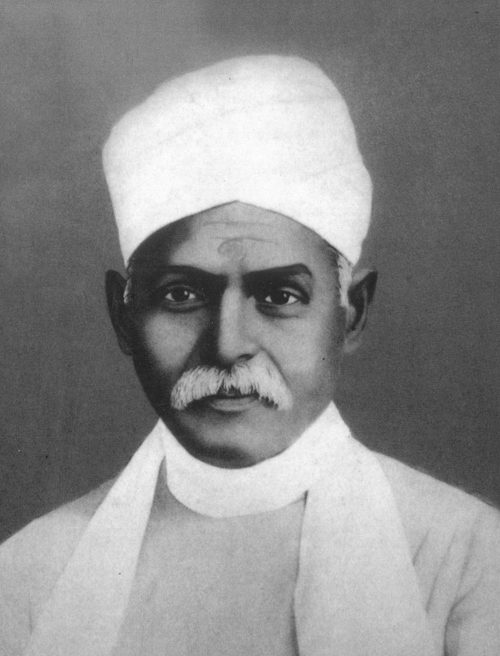
Portrait of Pandit Madan Mohan Malaviya
Pandit Madan Mohan Malaviya (1861–1946) Image: Banaras Hindu University archives, public domain, via Wikimedia Commons

Pandit Madan Mohan Malaviya (25 December 1861 – 12 November 1946) was a scholar, educationist, journalist, lawyer, and freedom fighter whose life spanned almost the entire arc of India's independence movement. Revered as "Mahamana" and posthumously honoured with the Bharat Ratna, he is remembered above all as the founder of Banaras Hindu University, and for giving India the words that became its national motto.

A Family from Malwa

Malaviya was born on 25 December 1861 in Allahabad, the city now known as Prayagraj, into a Gaur Brahmin family, the son of Brijnath Malaviya and Moona Devi. The surname itself records a migration. His ancestors came from the Malwa region of central India, around Ujjain in present-day Madhya Pradesh, and like many families who moved from Malwa to the Gangetic plains, they came to be known as "Malaviya", literally "of Malwa".

The name ties India's most famous educationist to the same regional origin as the wider Malviya community; that story is told on our History & Origins page.

Education and Early Life

His education was rooted in Allahabad and Calcutta. He matriculated in 1879 and studied at Muir Central College, completed his B.A. through the University of Calcutta, and later earned an LL.B. from Allahabad University in 1891. His working life began modestly in 1884, as an assistant master at the Government High School in Allahabad, but he soon found his calling in public life and the press. Throughout his life he was addressed as "Pandit", a title recognising his scholarship.

पंडित मदन मोहन मालवीय (25 दिसंबर 1861 – 12 नवंबर 1946) विद्वान, शिक्षाविद्, पत्रकार, अधिवक्ता और स्वतंत्रता सेनानी थे, जिनका जीवन भारत के स्वाधीनता आंदोलन के लगभग पूरे कालखंड में फैला रहा। "महामना" के रूप में पूजित और मरणोपरांत भारत रत्न से सम्मानित, वे सबसे बढ़कर बनारस हिंदू विश्वविद्यालय के संस्थापक के रूप में — और भारत को वे शब्द देने के लिए स्मरण किए जाते हैं जो राष्ट्रीय आदर्श वाक्य बने।

मालवा से आया एक परिवार

मालवीय जी का जन्म 25 दिसंबर 1861 को इलाहाबाद — आज का प्रयागराज — में एक गौड़ ब्राह्मण परिवार में हुआ; वे ब्रजनाथ मालवीय और मूना देवी के पुत्र थे। परिवार का उपनाम स्वयं प्रवास की कहानी कहता है: उनके पूर्वज मध्य भारत के मालवा क्षेत्र से, वर्तमान मध्य प्रदेश के उज्जैन के आसपास से आए थे, और मालवा से गंगा के मैदानों में आने वाले अनेक परिवारों की तरह वे "मालवीय" — अर्थात "मालवा के" — कहलाने लगे।

यह नाम भारत के सबसे प्रसिद्ध शिक्षाविद् को उसी क्षेत्रीय मूल से जोड़ता है जो व्यापक मालवीय समुदाय का साझा मूल है — यह कहानी हमारे इतिहास और उत्पत्ति पेज पर है।

शिक्षा और प्रारंभिक जीवन

उनकी शिक्षा इलाहाबाद और कलकत्ता में हुई। उन्होंने 1879 में मैट्रिक किया, म्योर सेंट्रल कॉलेज में पढ़े, कलकत्ता विश्वविद्यालय से बी.ए. पूरा किया और बाद में 1891 में इलाहाबाद विश्वविद्यालय से एलएल.बी. की उपाधि प्राप्त की। उनका कार्यजीवन 1884 में इलाहाबाद के गवर्नमेंट हाई स्कूल में सहायक अध्यापक के रूप में साधारण ढंग से शुरू हुआ — लेकिन शीघ्र ही उन्हें सार्वजनिक जीवन और पत्रकारिता में अपना सच्चा मार्ग मिल गया। जीवन भर उन्हें उनकी विद्वत्ता के सम्मान में "पंडित" कहकर संबोधित किया गया।

The Journalist Who Saved a Newspaper

Editor and Founder

Journalism was one of the great threads of Malaviya's career. In 1887 he became editor of the nationalist weekly Hindustan, and he went on to edit the journal Abhyudaya. In 1909 he founded The Leader, an influential English daily published from Allahabad.

The Hindustan Times Rescue

His most consequential intervention in Indian journalism came in 1924, when the Hindustan Times was facing financial collapse. With the support of Lala Lajpat Rai, M. R. Jayakar, and the industrialist Ghanshyam Das Birla, who put up most of the roughly fifty thousand rupees raised, Malaviya acquired the paper and saved it. He served as chairman of the Hindustan Times from 1924 until 1946, and his efforts led to the launch of its Hindi edition, Hindustan, in 1936. The paper he rescued remains one of India's major English dailies a century later.

संपादक और संस्थापक

पत्रकारिता मालवीय जी के जीवन की प्रमुख धाराओं में से एक थी। 1887 में वे राष्ट्रवादी साप्ताहिक हिन्दुस्तान के संपादक बने, और आगे चलकर उन्होंने अभ्युदय पत्रिका का संपादन किया। 1909 में उन्होंने इलाहाबाद से प्रकाशित प्रभावशाली अंग्रेजी दैनिक द लीडर की स्थापना की।

हिन्दुस्तान टाइम्स का उद्धार

भारतीय पत्रकारिता में उनका सबसे महत्वपूर्ण हस्तक्षेप 1924 में हुआ, जब हिन्दुस्तान टाइम्स आर्थिक संकट में डूबने के कगार पर था। मालवीय जी ने — लाला लाजपत राय, एम. आर. जयकर और उद्योगपति घनश्याम दास बिड़ला के सहयोग से, जिन्होंने जुटाई गई लगभग पचास हज़ार रुपये की राशि का अधिकांश भाग दिया — अख़बार का अधिग्रहण कर उसे बचा लिया। वे 1924 से 1946 तक हिन्दुस्तान टाइम्स के अध्यक्ष रहे, और उनके प्रयासों से 1936 में इसका हिंदी संस्करण हिन्दुस्तान शुरू हुआ। जिस अख़बार को उन्होंने बचाया, वह एक सदी बाद भी भारत के प्रमुख अंग्रेजी दैनिकों में है।

Builder of Banaras Hindu University

Malaviya's crowning achievement was the creation of a university that grew into one of the largest centres of learning in Asia.

Founding a University

The Benares Hindu University Bill was introduced on 22 March 1915 and passed on 1 October 1915, and the university's foundation stone was laid on 4 February 1916. Annie Besant, who had founded the Central Hindu College in 1898, supported the project, and her college was incorporated into the new university.

Malaviya himself served as BHU's Vice-Chancellor from 1919 to 1938, shaping the institution for two decades. The university's sprawling campus, its faculties, and the institutions across India that carry his name are described on our Institutions & Places page.

BHU today

The main campus in Varanasi spreads over roughly 1,370 acres. As of 2020 the university enrolled more than 30,000 students across six institutes, fourteen faculties, and around 140 departments. It describes itself as the largest residential university in Asia, with about 18,000 students living on campus.

मालवीय जी की सर्वोच्च उपलब्धि उस विश्वविद्यालय का निर्माण थी जो एशिया के सबसे बड़े शिक्षा केंद्रों में से एक बन गया।

एक विश्वविद्यालय की स्थापना

बनारस हिंदू विश्वविद्यालय विधेयक 22 मार्च 1915 को प्रस्तुत हुआ और 1 अक्टूबर 1915 को पारित हुआ, और विश्वविद्यालय की आधारशिला 4 फरवरी 1916 को रखी गई। ऐनी बेसेंट ने, जिन्होंने 1898 में सेंट्रल हिंदू कॉलेज की स्थापना की थी, इस परियोजना का समर्थन किया, और उनका कॉलेज नए विश्वविद्यालय में समाहित कर लिया गया।

मालवीय जी स्वयं 1919 से 1938 तक बीएचयू के कुलपति रहे और दो दशकों तक संस्था को गढ़ते रहे। विश्वविद्यालय का विशाल परिसर, इसके संकाय, और उनके नाम पर बने भारत भर के संस्थान हमारे संस्थान और स्थान पेज पर वर्णित हैं।

आज का बीएचयू

वाराणसी का मुख्य परिसर लगभग 1,370 एकड़ में फैला है। 2020 तक विश्वविद्यालय में छह संस्थानों, चौदह संकायों और लगभग 140 विभागों में 30,000 से अधिक विद्यार्थी पढ़ते थे — और यह स्वयं को एशिया का सबसे बड़ा आवासीय विश्वविद्यालय बताता है, जिसके परिसर में लगभग 18,000 विद्यार्थी रहते हैं।

Four-Time Congress President

A Record in the Congress

Malaviya was elected president of the Indian National Congress four times: at Lahore in 1909, at Delhi in 1918, and again in 1932 and 1933. The last two terms came during the turbulence of the Civil Disobedience Movement, when regular sessions were disrupted by mass arrests; Malaviya himself was arrested on 25 April 1932 in Delhi along with about 450 Congress volunteers, days after being appointed president following the arrest of Sarojini Naidu.

He also served as a member of the Imperial Legislative Council from 1912 to 1919 and of the Central Legislative Assembly from 1919 to 1926, opposed separate electorates, and joined the protests against the Simon Commission in 1928.

सत्यमेव जयते — Truth alone triumphs From the Mundaka Upanishad. Presiding over the 1918 Congress session at Delhi, Malaviya declared it should be a slogan for the nation; it was adopted as India's national motto when the republic was inaugurated on 26 January 1950.

The Chauri Chaura Defence

As a lawyer, Malaviya undertook one of the most remarkable defences of the era. Appearing before the Allahabad High Court on behalf of those sentenced in the Chauri Chaura case, he secured the acquittal of more than 150 of the accused.

Service Beyond Politics

In 1917 he founded the Seva Samiti Scout Association in Allahabad with Hridayanath Kunzru. Alongside figures such as Annie Besant and George Arundale, he helped establish scouting for Indians, and he is counted among the founders of what became the Bharat Scouts and Guides. He also set up the Ganga Mahasabha, an organisation devoted to protecting the Ganges, the sacred river of his home city, which he revered all his life.

कांग्रेस में एक कीर्तिमान

मालवीय जी चार बार भारतीय राष्ट्रीय कांग्रेस के अध्यक्ष चुने गए — 1909 में लाहौर में, 1918 में दिल्ली में, और फिर 1932 तथा 1933 में। अंतिम दो कार्यकाल सविनय अवज्ञा आंदोलन की उथल-पुथल के बीच आए, जब सामूहिक गिरफ़्तारियों से नियमित अधिवेशन बाधित थे; सरोजिनी नायडू की गिरफ़्तारी के बाद अध्यक्ष नियुक्त होने के कुछ ही दिनों बाद, 25 अप्रैल 1932 को मालवीय जी स्वयं दिल्ली में लगभग 450 कांग्रेस स्वयंसेवकों के साथ गिरफ़्तार हुए।

वे 1912 से 1919 तक इंपीरियल लेजिस्लेटिव काउंसिल और 1919 से 1926 तक सेंट्रल लेजिस्लेटिव असेंबली के सदस्य भी रहे, पृथक निर्वाचन-मंडलों का विरोध किया, और 1928 में साइमन कमीशन के विरुद्ध प्रदर्शनों में शामिल हुए।

सत्यमेव जयते मुण्डक उपनिषद से। 1918 के दिल्ली कांग्रेस अधिवेशन की अध्यक्षता करते हुए मालवीय जी ने घोषणा की कि यह राष्ट्र का उद्घोष होना चाहिए; 26 जनवरी 1950 को गणतंत्र की स्थापना के साथ इसे भारत का राष्ट्रीय आदर्श वाक्य अपनाया गया।

चौरी चौरा की पैरवी

अधिवक्ता के रूप में मालवीय जी ने उस युग की सबसे उल्लेखनीय पैरवियों में से एक की। चौरी चौरा मामले में दंडित लोगों की ओर से इलाहाबाद उच्च न्यायालय में उपस्थित होकर उन्होंने 150 से अधिक अभियुक्तों को बरी कराया।

राजनीति से परे सेवा

1917 में उन्होंने हृदयनाथ कुंज़रू के साथ इलाहाबाद में सेवा समिति स्काउट एसोसिएशन की स्थापना की, और वे उन अग्रदूतों में थे — ऐनी बेसेंट और जॉर्ज अरुंडेल जैसी विभूतियों के साथ — जिन्होंने भारतीयों के लिए स्काउटिंग की नींव रखी; उन्हें भारत स्काउट्स एंड गाइड्स के संस्थापकों में गिना जाता है। उन्होंने गंगा महासभा की भी स्थापना की, जो गंगा नदी की रक्षा को समर्पित संगठन है — अपनी जन्मभूमि की पवित्र नदी के प्रति उनकी आजीवन श्रद्धा का प्रतीक।

Life in Brief

1861 — Birth in Allahabad

Born on 25 December to Brijnath Malaviya and Moona Devi, in a Gaur Brahmin family whose ancestors came from Malwa.

1909 — Editor and President

Founds The Leader of Allahabad and serves his first term as president of the Indian National Congress at the Lahore session.

1916 — Banaras Hindu University

The foundation stone of BHU is laid on 4 February 1916; Malaviya later serves as Vice-Chancellor from 1919 to 1938.

1918 — "Satyameva Jayate"

Presiding over the Delhi Congress session, he proposes the Upanishadic phrase as a slogan for the nation; it later becomes India's national motto.

1924 — Hindustan Times

Leads the rescue of the Hindustan Times and chairs the paper until 1946; its Hindi edition Hindustan launches in 1936.

1946 — Passing

Dies on 12 November 1946 in Allahabad, aged 84, nine months before the independence he had worked toward for six decades.

2014 — Bharat Ratna

On 24 December 2014, the Government of India announces the posthumous Bharat Ratna, the nation's highest civilian honour, conferred in 2015.

1861 — इलाहाबाद में जन्म

25 दिसंबर को ब्रजनाथ मालवीय और मूना देवी के घर, उस गौड़ ब्राह्मण परिवार में जन्म जिसके पूर्वज मालवा से आए थे।

1909 — संपादक और अध्यक्ष

इलाहाबाद से 'द लीडर' की स्थापना और लाहौर अधिवेशन में भारतीय राष्ट्रीय कांग्रेस के अध्यक्ष के रूप में पहला कार्यकाल।

1916 — बनारस हिंदू विश्वविद्यालय

4 फरवरी 1916 को बीएचयू की आधारशिला रखी गई; मालवीय जी बाद में 1919 से 1938 तक कुलपति रहे।

1918 — "सत्यमेव जयते"

दिल्ली कांग्रेस अधिवेशन की अध्यक्षता करते हुए उन्होंने उपनिषद के इस वाक्य को राष्ट्र के उद्घोष के रूप में प्रस्तावित किया — जो बाद में भारत का राष्ट्रीय आदर्श वाक्य बना।

1924 — हिन्दुस्तान टाइम्स

हिन्दुस्तान टाइम्स के उद्धार का नेतृत्व किया और 1946 तक इसके अध्यक्ष रहे; 1936 में इसका हिंदी संस्करण 'हिन्दुस्तान' शुरू हुआ।

1946 — महाप्रयाण

12 नवंबर 1946 को इलाहाबाद में 84 वर्ष की आयु में निधन — उस स्वतंत्रता से नौ महीने पहले जिसके लिए उन्होंने छह दशक कार्य किया।

2014 — भारत रत्न

24 दिसंबर 2014 को भारत सरकार ने मरणोपरांत भारत रत्न की घोषणा की, जो 2015 में प्रदान किया गया — देश का सर्वोच्च नागरिक सम्मान।

The Mahamana Legacy

"Mahamana"

The title "Mahamana", often rendered as "the great-souled one", is most commonly attributed to Rabindranath Tagore, though some accounts credit Mahatma Gandhi with conferring it. Gandhi, for his part, called Malaviya a "Devata Purush" and regarded him as an elder brother. Whoever coined it, the title stuck; to this day he is rarely mentioned without it.

Malaviya Jayanti and Beyond

His birth anniversary on 25 December is observed as Malaviya Jayanti, marked each year by tributes from the Prime Minister and national leaders. On his 162nd birth anniversary in December 2023, the Prime Minister released the Collected Works of Pandit Madan Mohan Malaviya, ensuring his writings remain available to new generations.

Universities, localities, metro stations, and a bridge across the Ganga carry his name today. You can explore them on the Institutions & Places page, and meet other distinguished bearers of the surname on our Notable People page.

"महामना"

"महामना" की गौरवशाली उपाधि — जिसका अर्थ प्रायः "महान आत्मा वाले" किया जाता है — सबसे अधिक रवीन्द्रनाथ टैगोर को दी जाती है, हालांकि कुछ विवरण इसका श्रेय महात्मा गांधी को देते हैं। गांधी जी ने स्वयं मालवीय जी को "देवता पुरुष" कहा और उन्हें बड़े भाई के समान माना। जिसने भी यह उपाधि दी हो, वह अमिट हो गई: आज भी उनका उल्लेख इसके बिना विरले ही होता है।

मालवीय जयंती और उससे आगे

उनकी जयंती 25 दिसंबर को मालवीय जयंती के रूप में मनाई जाती है, जिस पर हर वर्ष प्रधानमंत्री और राष्ट्रीय नेता श्रद्धांजलि अर्पित करते हैं। दिसंबर 2023 में उनकी 162वीं जयंती पर प्रधानमंत्री ने पंडित मदन मोहन मालवीय संपूर्ण वाङ्मय का लोकार्पण किया, ताकि उनके लेखन नई पीढ़ियों तक पहुंचते रहें।

विश्वविद्यालय, मोहल्ले, मेट्रो स्टेशन और गंगा पर एक सेतु आज उनका नाम धारण करते हैं — इन्हें संस्थान और स्थान पेज पर देखें, और उपनाम के अन्य विशिष्ट धारकों से हमारे प्रमुख लोग पेज पर मिलें।

Sources & Further Reading